

Soapberry Tree Seeds
Import Germany
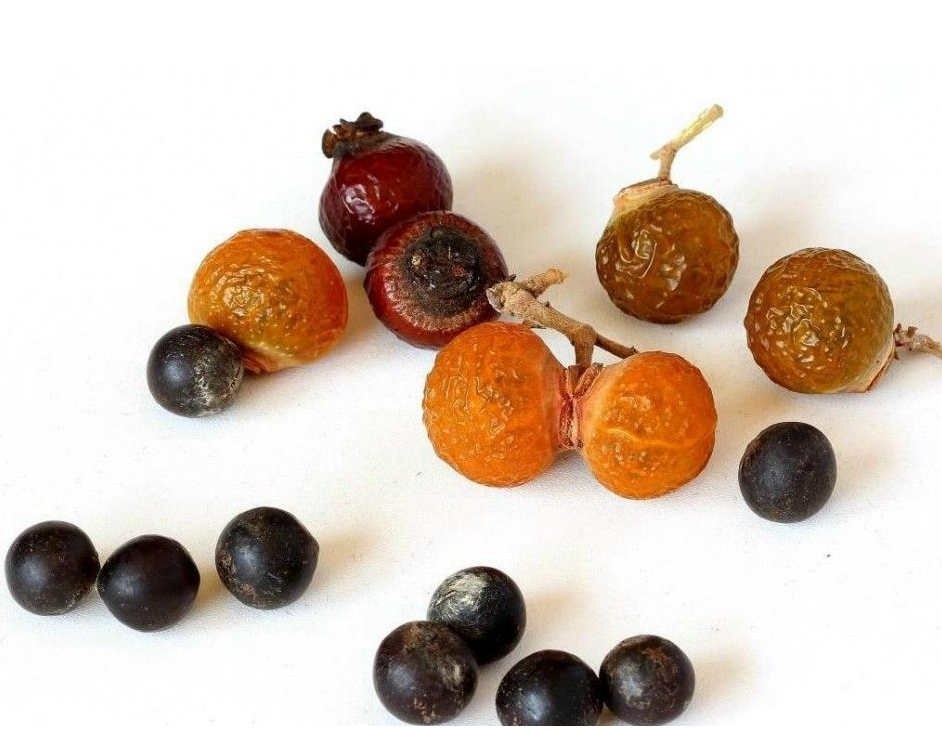
$ 0.43
Description Heirloom · Open-Pollinated · — Poovanthi / Ponnankottai Soapnut Seeds Sapindus mukorossi · Native This is an heirloom soapnut variety. Buy Once and Build Your Own Seed Bank 70%Germination Rate 10Seeds per Pack 10-15 YearsdDays to Harvest AdvancedBeginner Friendly About this variety A seed with a story A majestic tree that produces fruits containing natural soaping agents called saponins. Traditionally used for washing delicate fabrics and jewelry. The seeds are also used in folk medicine. Sowing Calendar When to plant — year at a glance For Tamil Nadu and most of South India. Highlighted months show the ideal sowing window for this variety. Adjust slightly for your microclimate. JanFebMarAprMayJunJulAugSepOctNovDec Sow / Direct seed Transplant seedlings Harvest window Best Sowing Window: June-July Grower’s Quick Reference Everything in one glance Sun Full Sun6 hours of full sun Water moderateEvenly moist, avoid water logging Sowing Depth 1-2cm— Spacing 5m x 5m— Germination Time 10-2025-35°C Soil well drained soilRich in organic matter Seed Treatment Method Prepare your seeds the traditional way A simple ritual handed down through generations — gentle treatment that improves germination and protects young seedlings naturally. iSeed PreparationGently crack the hard outer fruit wall to release the seeds. iiTreat— iiiDry— ivSow— Traditional alternatives You can also use a 3% jaggery Panchagavya soak, Beejamrutha, or simply soak in clean water if you prefer the simplest approach. We avoid all chemical seed coatings — these seeds reach you exactly as nature made them. How To Sow From seed to seedling Prepare the bedGently crack pericarp to extract seeds. Place the seedNursery beds or seedling trays. Water gentlyKeep moist until germination. Watch & waitWait 10-30 days. Tending the Plant Care through the season Watering Water regularly at the base. Feeding Add organic manure once a year. Pest Care Monitor for common foliage pests. Harvest Harvest fruits when they ripen in October-November. Companion Planting Plants that love this neighbour Old wisdom and modern observation agree — these companions help your plant thrive, while a few are best kept apart. Plant alongside Agroforestry species Save Your Own Seeds One pack. A lifetime of harvests. Because this is an open-pollinated heirloom — not a hybrid — every plant you grow can become next season’s seed source. Here’s how to keep the lineage alive. Choose your best plantsSelect healthy, fully mature seeds. Let the fruit fully matureCollect fallen brown/orange fruits from the ground. Extract & cleanExtract smooth black seeds from the dry fruit pulp. Store with careStore in a cool, dark, dry place. The truest gift of an heirloom seed is the seed it gives back. Save a few each season, share a few with neighbours — and you become part of a chain of gardeners stretching back generations. — From the Manvasanai farm journal More Details Everything else you may want to know Seed specifications Plant name: Soapnut Tamil name: Poovanthi / Ponnankottai Scientific name: Sapindus mukorossi Variety: Native Germination rate: 70% (lab-tested) Pack size / Quantity: — (approx. 10 seeds) Seed life when stored properly: 1 year Type: Open-pollinated · Heirloom · Non-GMO Sowing & growing summary Best sowing time: June-July Sowing depth: 1-2cm Spacing: 5m x 5m Germination: 10-20 25-35°C Days to harvest: 10-15 Years days from sowing Sun: Full Sun Water: moderate Soil: well drained soil, pH 6.0-7.5 How we grow & harvest these seeds Every seed in this packet was grown on Rangamalai Organic Farms in Karur, Tamil Nadu — under fully organic, chemical-free practices Mother plants are hand-selected for vigour and trueness to type. Fruits are left to fully mature on the plant before harvest. Seeds are sun-dried, hand-cleaned, lab-tested for germination, and packed in small batches close to the time of sale to preserve freshness. Storage & shelf life Store the unopened packet in a cool, dry place away from direct sunlight. Once opened, transfer remaining seeds to a clean airtight container — a glass jar with a tight lid is ideal. Adding a few dried neem leaves or a small silica sachet helps absorb moisture. Stored well, these seeds remain viable for 1 year, though germination rates gradually decline with age. We recommend sowing within the first season for the best results. Common growing challenges Poor germination? Most often a result of cold soil, irregular watering, or seeds buried too deep. Soak before sowing, sow at the recommended depth, and keep soil consistently moist. Yellowing leaves? Usually a sign of waterlogging or nitrogen deficiency. Improve drainage and apply a compost tea drench. Pest attacks? Switch to weekly preventive sprays of neem oil diluted soap solution. Encourage ladybugs and birds in your garden. No flowering? Often too much shade or excess nitrogen. Move to fuller sun and reduce nitrogen-heavy feeds. Shipping & returns We dispatch from our farm in Karur, Tamil Nadu within 2–3 business days. Seed packets are sealed in moisture-proof envelopes and shipped in protective mailers. Because seeds are a living product, we cannot accept returns on opened packets — but if your order arrives damaged, the packet is empty, or germination falls dramatically below the stated rate (despite proper sowing), please reach out within 14 days of delivery and we’ll send a replacement. Heirloom Native Seeds · நாட்டு விதைகள் From the ROF Community Seed Bank Your packet comes from a living seed library — a quiet act of preservation we have been tending since 2015 at Rangamalai Organic Farms. Every variety we offer has been carefully grown out, hand-selected, and saved across seasons by our farm team and a growing community of seed-keeping gardeners across India. 400 Native Varieties Conserved Open-Pollinated Save & resow Non-GMO Never modified Heirloom Generations old Farm-Grown Vellaiyampatti, Karur, Tamil Nadu Soapberry Tree Seeds
Related products
-
 Import UK
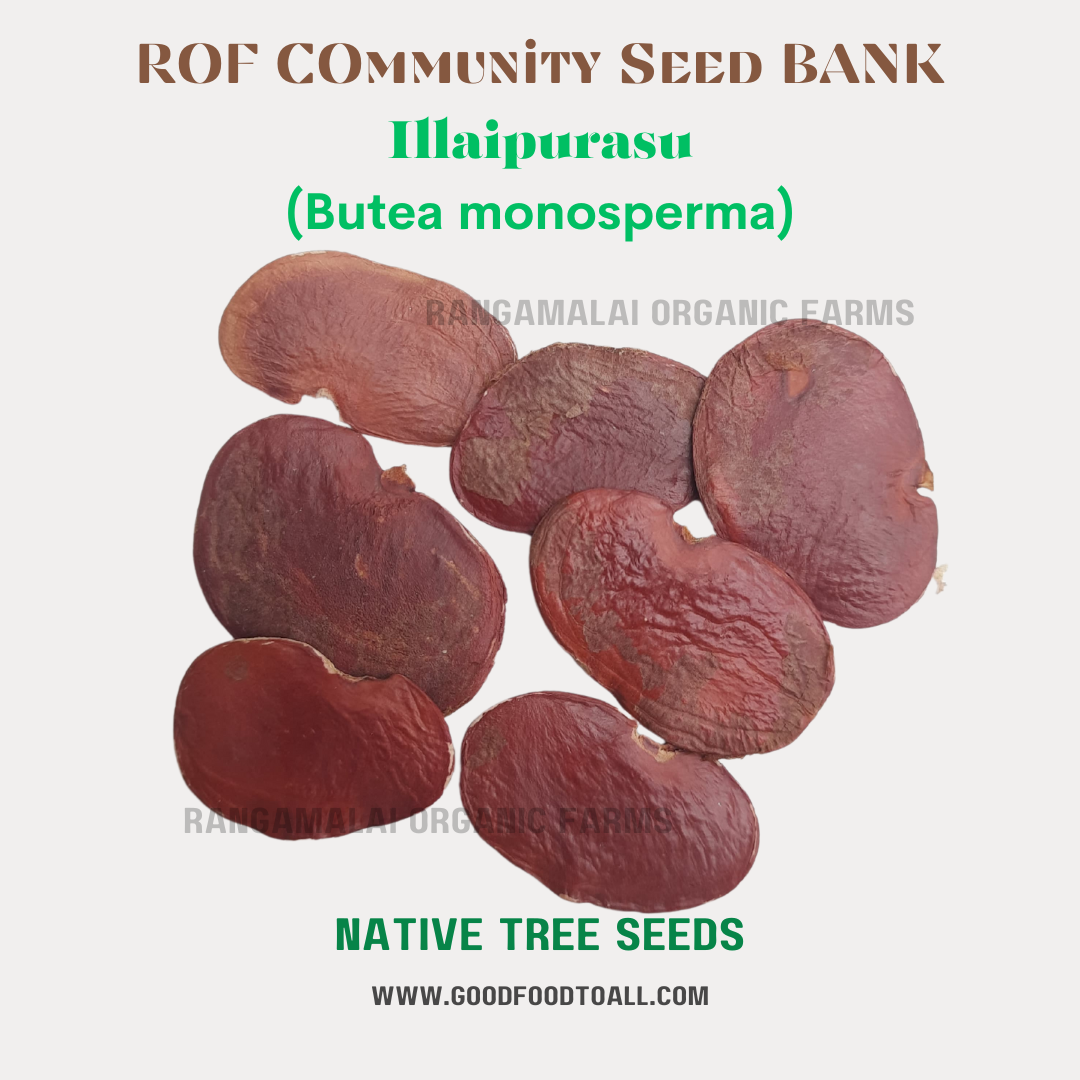
Flame of Forest | Butea monosperma Tree Seeds
$ 0.48Select options This product has multiple variants. The options may be chosen on the product page -
 Import Germany
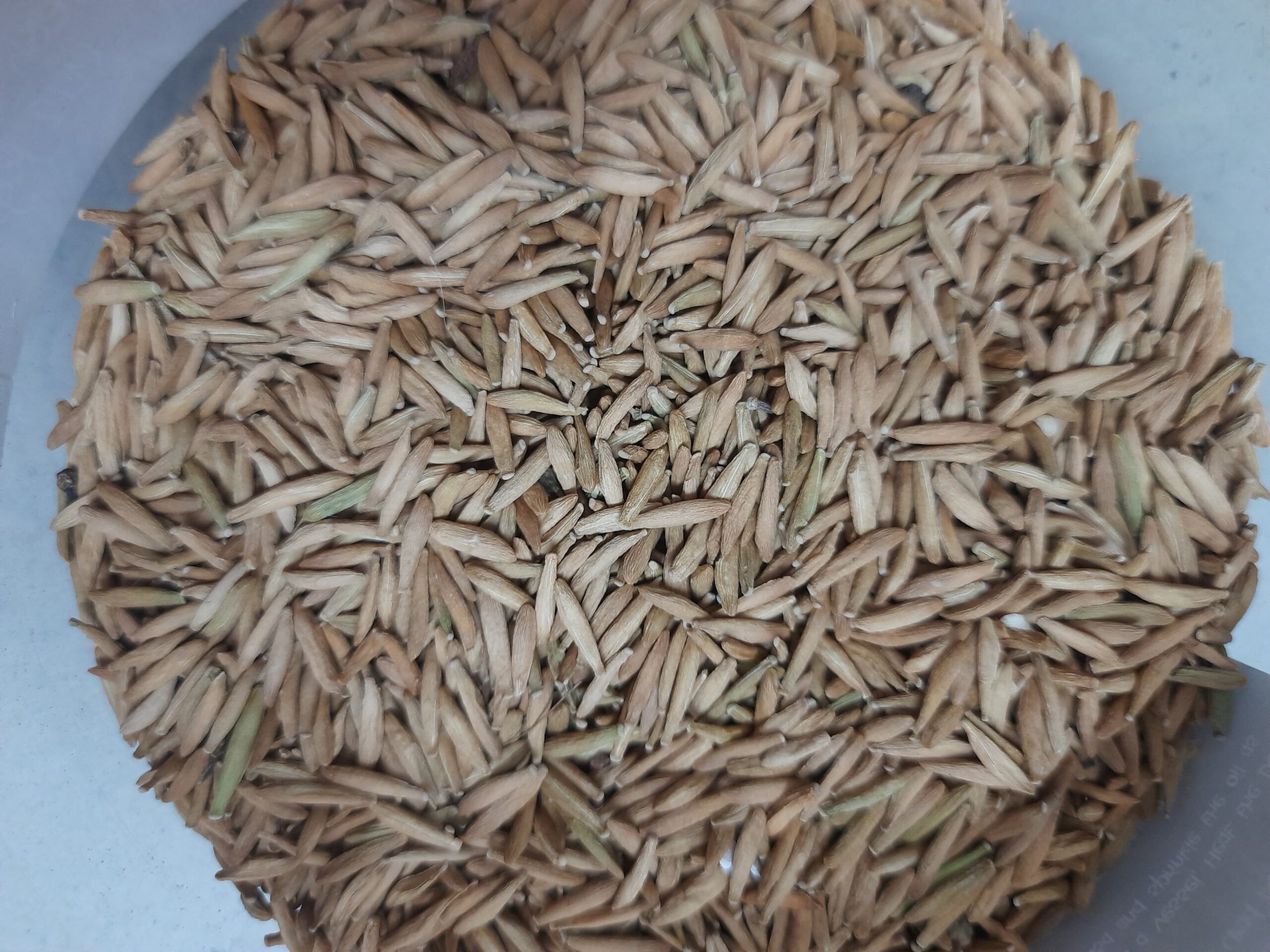
Vetpaalai / Wrightia Tinctoria Tree Seeds
$ 0.48Select options This product has multiple variants. The options may be chosen on the product page -
 Import UK
Jatropha Curcas seeds – Natural living fence
$ 0.48Select options This product has multiple variants. The options may be chosen on the product page -
 Import UK
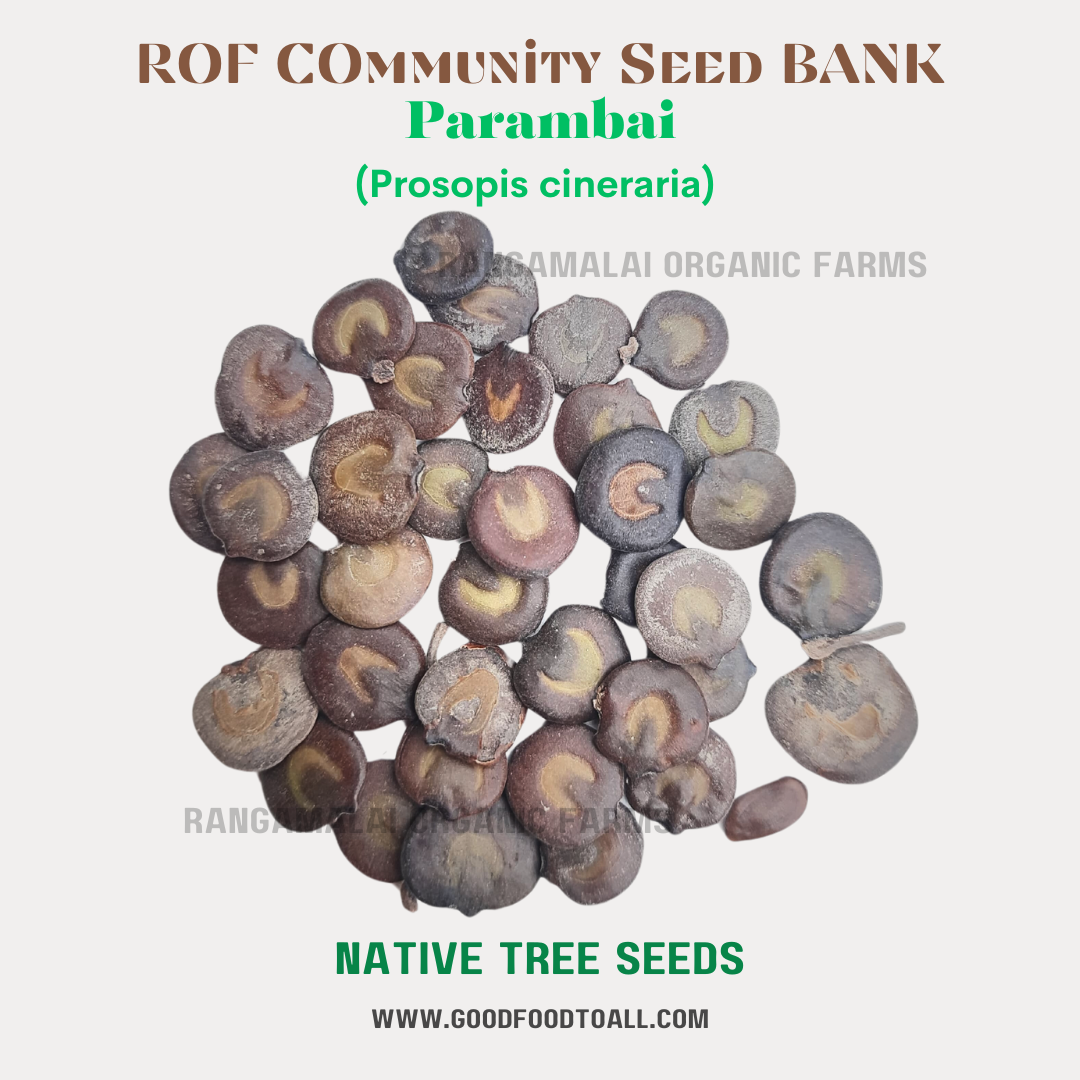
Parambai Tree Seeds
$ 0.38Select options This product has multiple variants. The options may be chosen on the product page